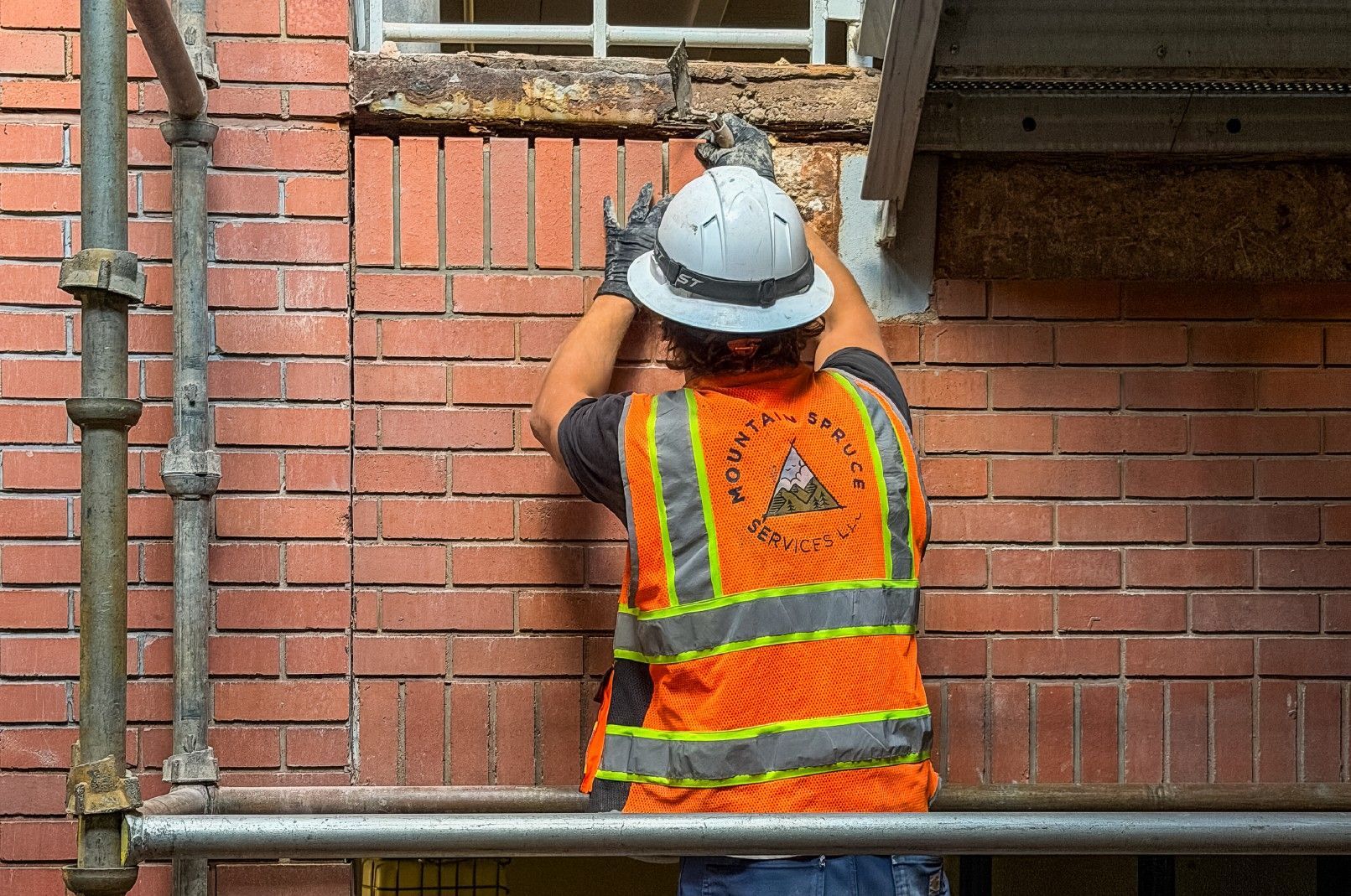
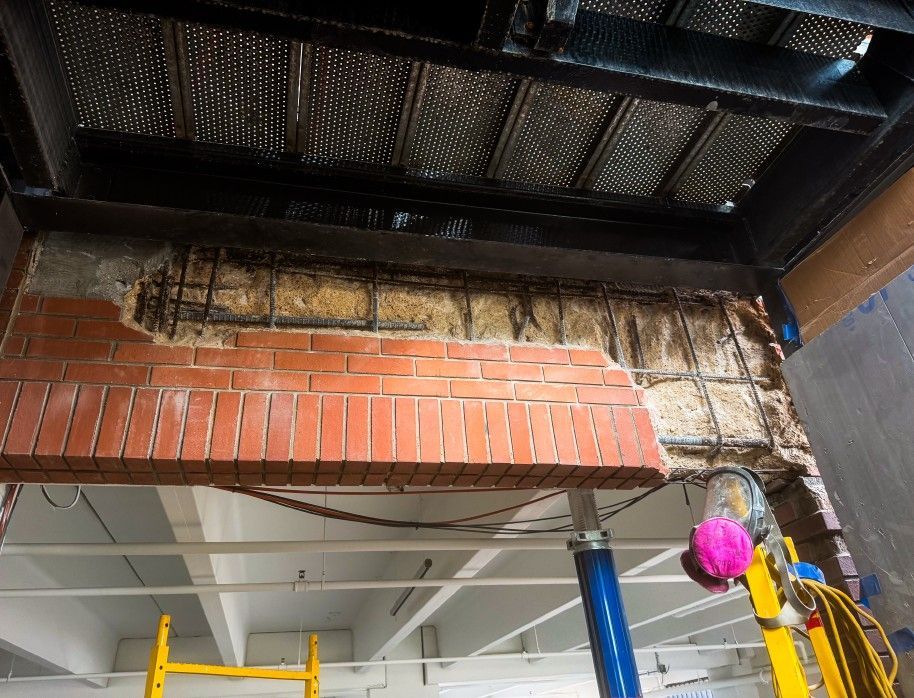
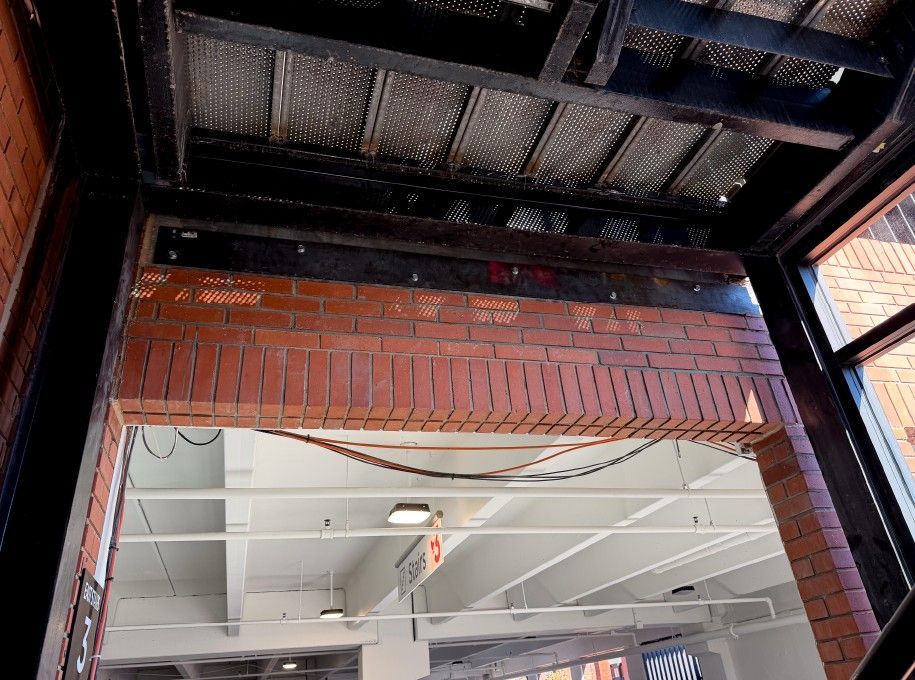
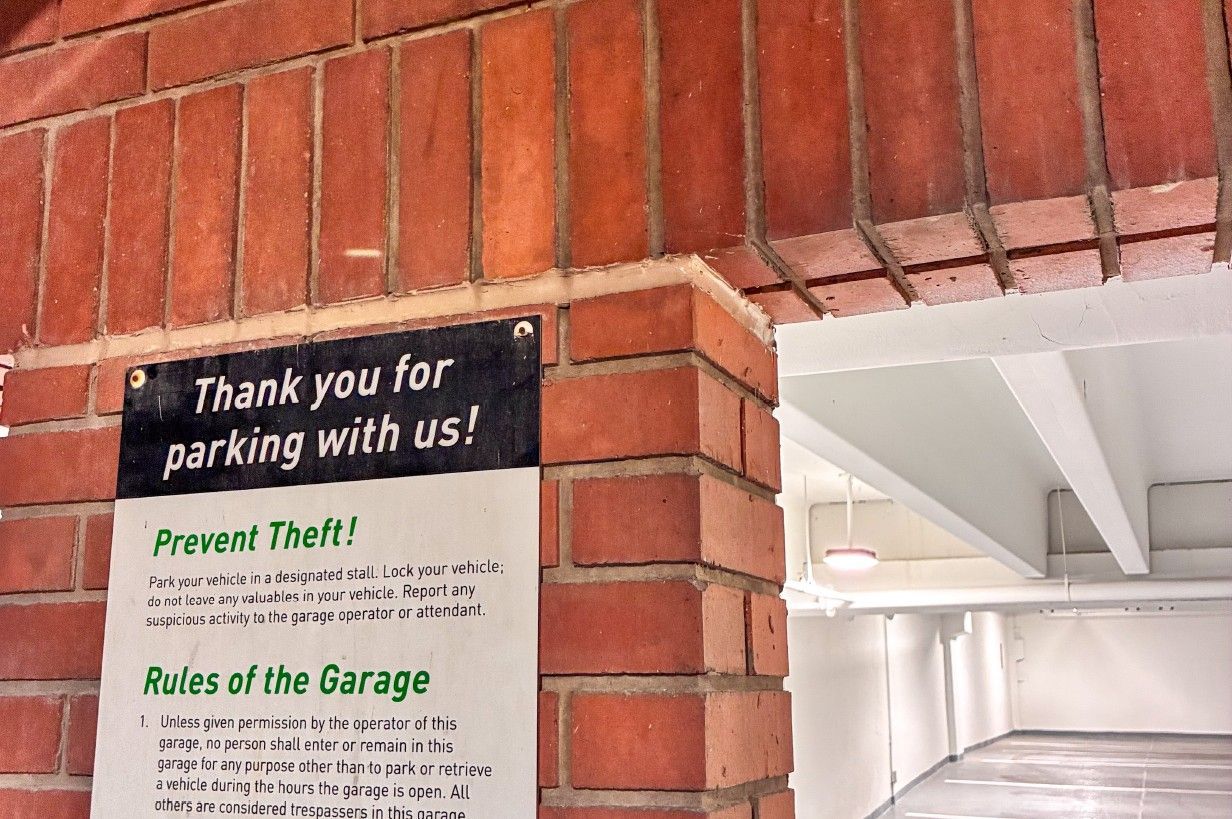
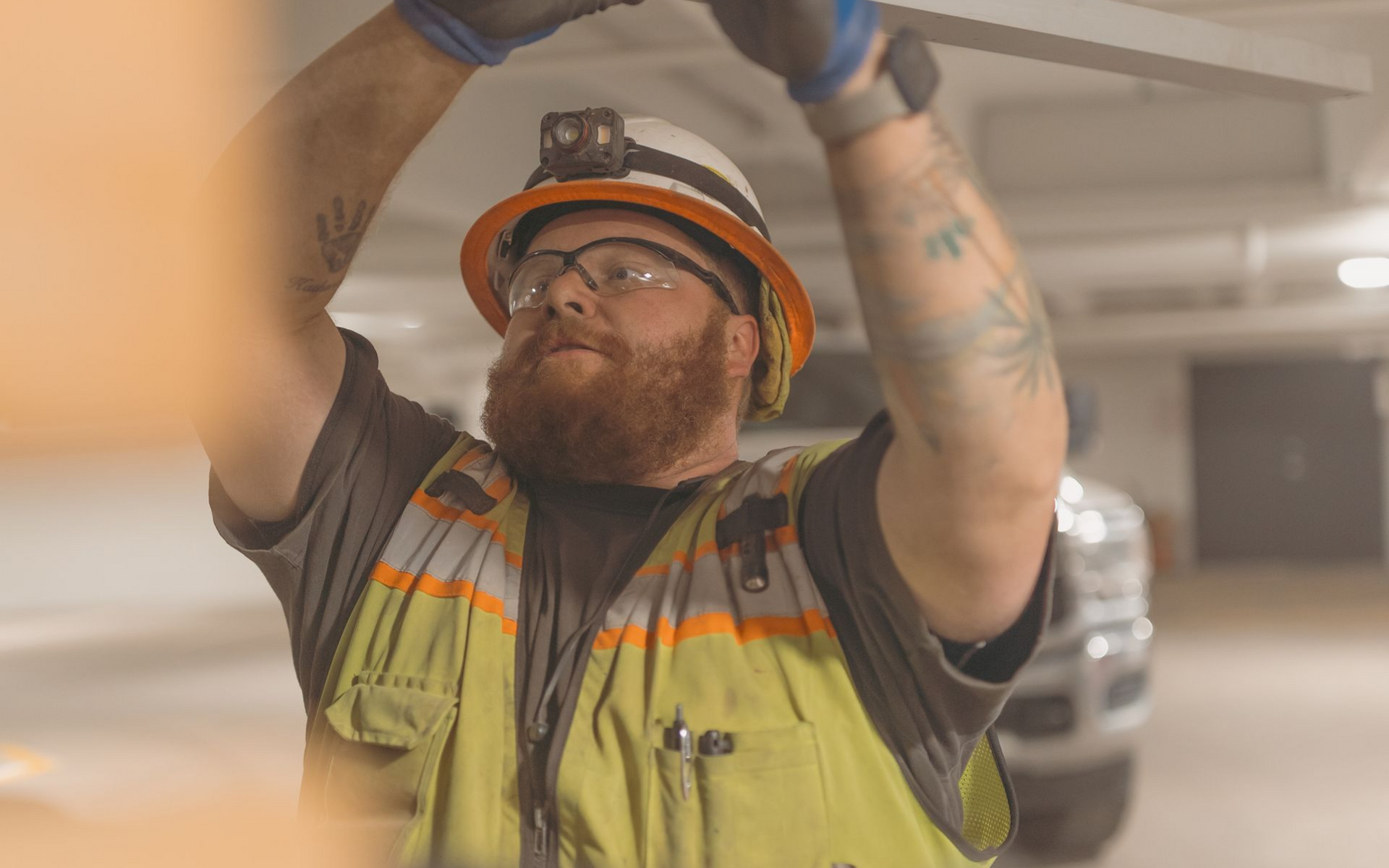
Mike has worked in the concrete restoration industry since 2016. Today, as Superintendent at Mountain Spruce, he spends most of his time where the work is happening — coordinating crews, equipment, materials, clients, and the details that keep a project moving. One of the projects he’s spent the most time with recently is Boulder’s 11th & Spruce Garage , where he served as the on-site Superintendent through completion. With that project wrapping up this year, we sat down with Mike to talk about what it takes to manage a complex restoration project, what he looks for in the field, and why the details matter. You’ve been with the Spruce Garage project from the beginning. What has it been like to finally see it come to a close? It’s been rewarding to see the whole thing come together. A project like this evolves as you get into it. You’re dealing with existing conditions, different repair scopes, access, sequencing, and an active property, so there are always a lot of moving pieces. Being there from the beginning and seeing the finished product after all of that work is probably what makes it especially satisfying. exterior had several conditions to address: cracked and displaced brick veneer, deteriorated mortar joints, and loose or damaged stone. What does your role as Superintendent actually look like on a project like this? I’m managing the crews in the field, making sure equipment and materials are where they need to be, coordinating deliveries, working through site conditions and safety, and communicating with the client and project team as things come up. But I’m also not someone who just stands back and manages from a distance. If something needs to get done or the crew needs help, I’m going to jump in — no matter what. What do you pay the most attention to when you’re running a project? The details. A lot of problems can be avoided if you’re paying attention early enough. I’m looking at how the work is being installed, how one part of the project affects another, what the finished product is going to look like, and whether it’s being done the way it should be. For me, it’s not enough to just get something completed. It needs to be done right. Restoration work tends to uncover things you didn’t necessarily expect. How do you approach that? You have to be willing to adjust. You can plan as much as possible, but once you start opening up an existing structure, you may find something different than what you expected. The important part is being able to look at what’s actually there, understand the problem, communicate it clearly, and figure out the right next step without losing momentum on the job . What do you think Mountain Spruce does especially well? We care about the finished product. We’re not just trying to get through a scope and move on. There’s a lot of pride in the work, and I think that shows in how we approach projects and how we work with customers. We’re also willing to go the extra mile when something needs more attention than originally expected. You’re known around the company as someone people can count on. Is that something that’s important to you? Definitely. Whether it’s an employee, a customer, or someone on the project team, I think if you say you’re going to be there, you should be there. A lot of construction comes down to trust. People need to know you’re going to follow through. When you’re not working, how do you like to spend your time? Spending quality time with my family is a big one. We love getting out together and exploring the Colorado mountains whenever we can. I moved to Colorado from Florida 12 years ago and I've loved it here ever since. I’m also a NASCAR fan, and photography is something I really enjoy. Photography seems like a natural fit for someone who is so detail-oriented. Do you see a connection between the two? I probably do look at things the same way. With photography, you notice composition, small details, what looks right, what doesn’t, and how everything fits together. Construction isn’t that different in that sense. You’re always looking at the finished product, but you get there by paying attention to all the small pieces along the way. That attention to detail is something Mike brings to nearly every part of his role at Mountain Spruce — from running crews in the field to making sure the finished work is something the team is proud to stand behind.
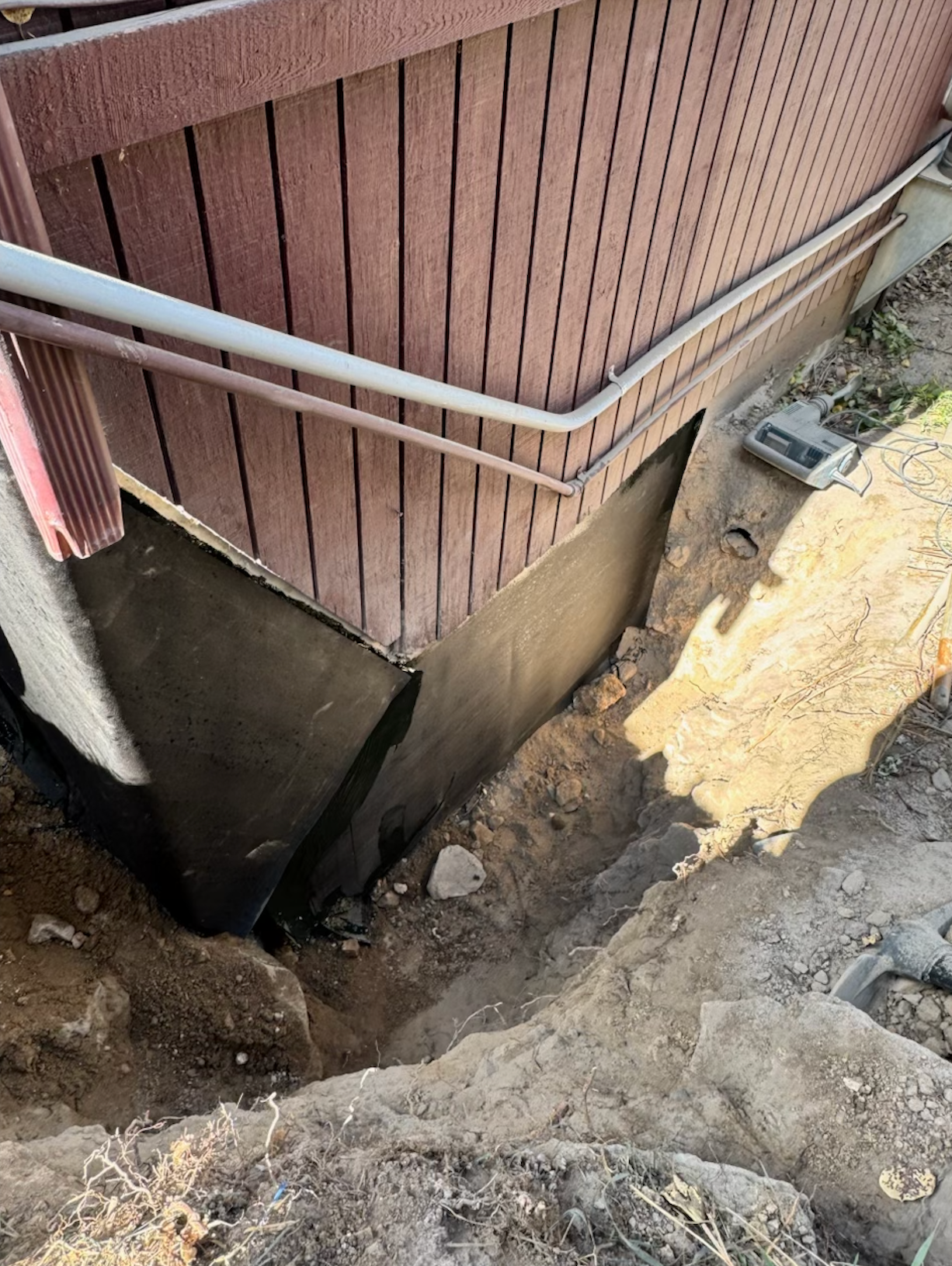
Water around a foundation is rarely just one problem. On this residential project, water was collecting near one corner of the home and making its way toward the foundation. Rather than treating only the point where moisture was showing up, Mountain Spruce Services addressed the larger water-management issue around the property. The project combined excavation, foundation waterproofing, drainage improvements, downspout routing, and grading to help protect the home and move water away from the structure. Starting at the Foundation The first step was excavating the affected area to expose the foundation wall. Once the wall was accessible, our crew prepared the surface and installed new waterproofing to help protect the foundation from moisture in the surrounding soil. Waterproofing the wall addressed an important part of the problem, but it was only one piece of the solution. Giving Water Somewhere to Go When water repeatedly collects next to a home, protecting the wall alone may not address the conditions causing the problem. A French drain was installed along the affected area to help collect and redirect water before it could continue building up around the foundation. We also connected the nearby gutter downspout into the drainage system so roof runoff would be carried away from the house rather than being released beside the foundation. That matters because even a relatively small roof area can send a significant amount of water toward the same part of a property during a storm or snowmelt event. Finishing With Proper Grading After the waterproofing and drainage work was complete, the area was backfilled and graded so the ground would encourage water to move away from the home. Grading is an important part of many drainage projects because the surface of the property helps determine where water travels before it ever reaches a drain or waterproofing system. By combining the waterproofing, drainage, downspout routing, and grading, the project addressed both the foundation itself and the water moving around it. Why These Systems Work Better Together Foundation water problems can involve several overlapping conditions: Water collecting beside the home Roof runoff discharging too close to the foundation Poor or ineffective drainage Ground sloping toward the structure Moisture reaching the foundation wall Treating only one of those conditions may leave the others unchanged. Mountain Spruce approaches residential water problems by looking at how water moves across the property, where it collects, and how it reaches the structure. Depending on the site, the right solution may involve drainage, excavation, waterproofing, grading, concrete work, or a combination of several systems.